Running a shooting club comes with its own set of challenges. Between managing members, maintaining equipment, and ensuring safety, the actual training side can sometimes take a back seat. But the clubs that see the most improvement in their shooters are the ones that put real thought into their practice plans. Good training starts with the right tools, and that means understanding what kind of targets work best for your group's goals.
I have spent years coaching at various levels, from beginner clinics to competitive squads, and one thing holds true: the difference between a club that stagnates and one that progresses often comes down to how they structure practice. It is not just about putting paper downrange and letting people fire away. It is about having a deliberate approach that challenges shooters at the right level and gives them clear feedback.
Why Clubs Need More Than Just Paper Plates
When I first started helping run a local club, we used whatever targets we could find. Old cardboard boxes, paper plates, sometimes just a can on a fence post. It worked okay for plinking, but we quickly hit a wall. Our members wanted to improve their accuracy, their speed, their transitions. The targets we were using could not give them the feedback they needed to know if they were actually getting better.
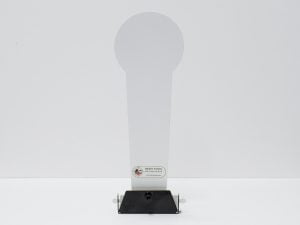
That is where the idea of proper training targets for clubs comes into play. You need targets that are designed to show you exactly where your shot placement is, how your groups are shaping up, and whether your fundamentals are solid. A good target does not just sit there and get shot. It tells a story about your technique. For clubs, investing in quality targets that serve a specific purpose pays off quickly because members see real progress and stay engaged.
Connect with us on YouTube.
Aligning Targets With Your Club's Training Goals
Every club has a different mix of shooters. Some are focused on IPSC competition, others on action air sports, and many just want to improve their marksmanship for personal satisfaction. The targets you choose should reflect those priorities. If your club is heavy into IPSC, you need targets that mimic the scoring zones and hit factors used in matches. That means having clear A-zone and C-zone markings so shooters learn where to aim for maximum points under time pressure.
For clubs that run training sessions for new shooters, I recommend starting with larger, high-contrast targets that give instant visual feedback. A simple silhouette with a bright center helps beginners focus on sight alignment and trigger control without overthinking scoring rings. As they progress, you can introduce smaller targets, moving targets, or targets that require specific shot placement to simulate real-world scenarios.

One thing I have learned from trial and error is that clubs should avoid the temptation to buy a single type of target for everyone. A one-size-fits-all approach rarely works. Your experienced members will get bored with large, static targets, and your beginners will get frustrated with tiny, distant ones. Having a variety of targets on hand lets you tailor each practice session to the skill level of the participants. It also keeps things fresh and interesting, which is important for retention.
Practical Considerations for Club Target Selection
Beyond the scoring zones and sizes, there are a few practical factors that make a big difference in a club setting. Durability is number one. Targets that tear apart after a few rounds are a waste of money and create a mess. Look for targets made from thick, high-quality paper or cardboard that can handle repeated hits without falling apart. Self-adhesive targets are a good option for clubs because they stick easily to backing boards and stay put even in windy conditions.
Another factor is ease of setup and changeover. If you run multiple sessions in a day, you do not want to spend half the time taping up new targets. Targets that come in rolls or packs with perforated edges can be set up quickly. Some clubs also use target stands that allow for quick swapping. The less time you spend on logistics, the more time you have for actual training.
Cost is always a concern for clubs operating on a budget. But here is the trade-off: cheaper targets often mean lower quality and less useful feedback. A target that tears easily or has poor contrast can actually hinder training because shooters cannot see their hits clearly. I have seen clubs save a few euros on targets only to spend more on extra ammo and range time because shooters were not learning effectively. Investing in better training targets for clubs is a smart long-term move.
Designing a Training Session Around Your Targets
Once you have the right targets, the next step is building a session that uses them well. A common mistake is to just put up a target and let people shoot at their own pace without any structure. That might be fine for casual plinking, but it is not training. A good session has a clear objective, measurable standards, and a way to track progress.
For example, if your club is working on draw speed and first-shot accuracy, set up a target at a standard distance and have shooters perform timed drills. Use targets that clearly show the hit zone so there is no debate about whether the shot was good or not. Record times and scores, and review them at the end of the session. Over weeks, you will see trends. That kind of data is gold for both the shooter and the coach.
Another effective structure is to run stations. Set up different targets at different distances and angles, and have shooters rotate through. One station might focus on precision slow fire, another on rapid transitions between multiple targets, and a third on shooting from cover. This keeps everyone engaged and works different skills in a single session. It also makes efficient use of range time, which is often limited.
Feedback Is the Real Training Tool
The target itself is just a piece of paper until you use it to give feedback. A target with a tight group tells you your fundamentals are solid. A target with shots scattered all over tells you there is a problem you need to diagnose. Teaching shooters how to read their own targets is one of the most valuable skills a club can impart. It turns every shot into a learning opportunity.
I always encourage clubs to have shooters mark their targets after each string of fire. Use a colored pen or a sticker to indicate where the shots landed relative to the aiming point. Then compare that to what the shooter felt during the shot. Often there is a disconnect between what the shooter thinks happened and what the target shows. Bridging that gap is where real improvement happens.
For clubs that want to take it a step further, consider using targets that have built-in scoring grids or training notes. Some targets come with space to write down the distance, time, and notes on technique. That turns the target into a training log. Over time, shooters can look back at old targets and see how far they have come. That is a powerful motivator.
Avoiding Common Pitfalls
One pitfall I see often is clubs buying targets that are too small for the distance they are shooting. A small target at 25 meters might be fine for an experienced shooter, but for a beginner it is just frustrating. They cannot see where their shots are landing, and they start developing bad habits like jerking the trigger or closing their eyes. Always match the target size to the shooter's skill level and the distance of the drill.
Another mistake is neglecting to replace targets when they get too shot up. A target that is full of holes loses its ability to give clear feedback. Shots that go through existing holes tell you nothing about accuracy. Make it a habit to replace targets regularly, even if they look like they still have some life left. The cost of a fresh target is small compared to the value of clean feedback.
Finally, do not overlook the importance of variety. Even the best target gets boring if you shoot it the same way every time. Change distances, change angles, change the number of targets, change the drill. Keep your shooters guessing and adapting. That is how they build real skills that transfer to competition or defensive situations.
Building a Culture of Continuous Improvement
Clubs that thrive are the ones where members push each other to get better. Having good training targets for clubs is a big part of that culture. When shooters see their scores going up and their groups tightening, they get excited. They start showing up more often. They bring friends. The whole club benefits from that positive momentum.

It also helps to have a system for tracking progress. Whether it is a simple spreadsheet or a dedicated app, keeping records of each shooter's performance over time lets you spot trends and adjust training accordingly. If a whole group is struggling with a particular drill, you know you need to spend more time on that skill. If someone is consistently improving, you can challenge them with harder drills.
At the end of the day, the targets are just tools. But they are important tools. The right ones make training more effective, more efficient, and more enjoyable. And that is what keeps shooters coming back.
Shoot N' Train, located at Thermopilwn 17, Keratsini 187 57, Greece, and reachable at +30 697 837 6939, is a web store specializing in premium IPSC, action air, and airsoft targets for shooting practice and training, offering the kind of quality that helps clubs build better shooters.